
Blue Zones and Neantog
A friend and course participant recently said: “This place (Neantog) is the sixth Blue Zone!” It took a while to register, but then we remembered the study by Dan Buettner, published in the National Geographic more than 20 years ago. What our friend alluded to was, that many core traits of the Blue Zones relate to what we do here at Neantog: Garden organically, having a mainly plant based diet, slowing down, forage and appreciate nature.
Here is a short resume of
The History of Blue Zones
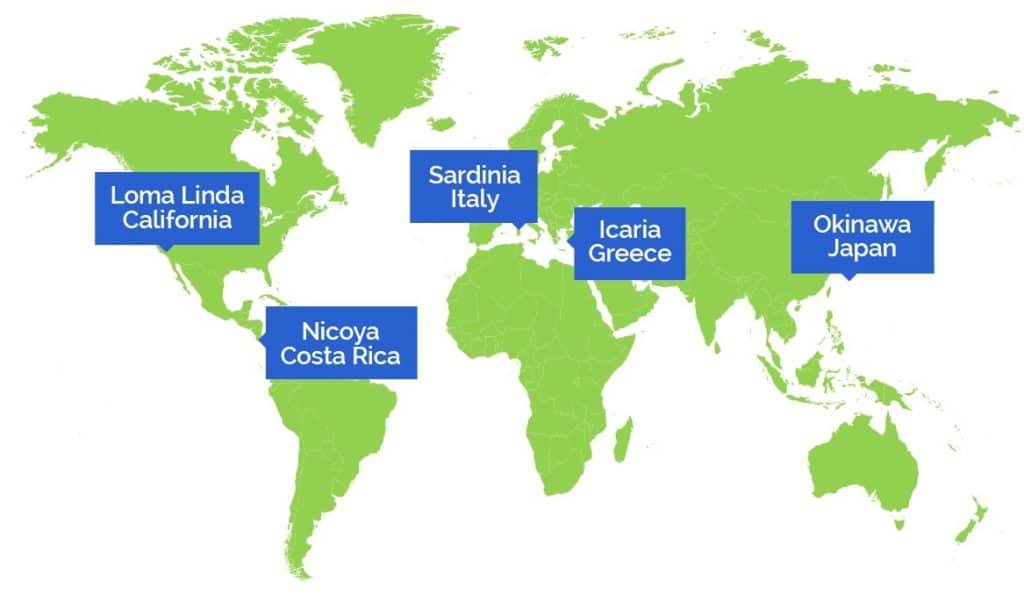
After an expedition to Okinawa, Japan, in 2000 to investigate reports of extraordinary longevity there, Buettner put together an exploration team of scientists and demographers with the support of National Geographic to investigate other regions of the world with stories of age-defying elders. Buettner and his “Blue Zones” (they marked the regions with a blue marker) team travelled the world to validate and research these claims, and to identify communities where people not only lived longer but also enjoyed a high quality of life in their old age. After analysing demographic data, birth records, and interviewing centenarians, they identified five regions that stood out for their extraordinary longevity and vitality.
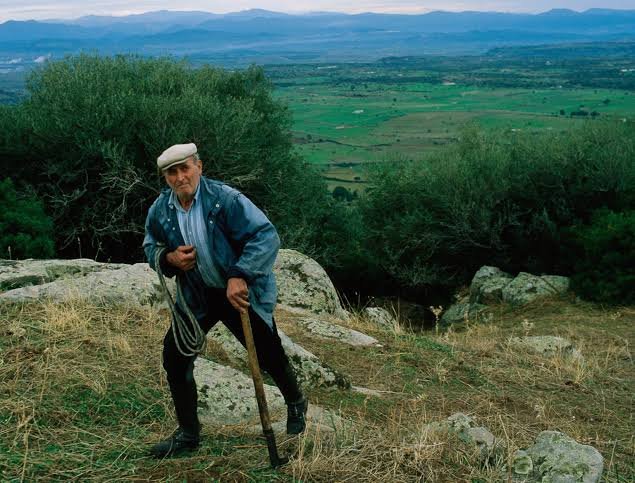
Sardinia, Italy: Features the world's highest concentration of male centenarians.
Okinawa, Japan: Home to women over 70 who boast the longest life expectancy on the planet.
Nicoya Peninsula, Costa Rica: Residents have the lowest rates of middle-aged mortality.
Ikaria, Greece: An isolated island where people have the lowest rates of dementia and middle-aged mortality.
Loma Linda, California: A strict Seventh-day Adventist community that outlives the average American by a decade.
Core traits of the Blue Zones
Despite the cultural differences across these regions, the researchers found that centenarians share nine core lifestyle traits:
Move Naturally: Physical activity is built into their environments (walking, gardening, no gym required).
Purpose: Knowing why you wake up in the morning adds up to 7 years of life expectancy.
Downshift: Routinely eliminating stress through daily habits like napping or praying.
The 80% Rule: Stopping eating when the stomach is 80% full to prevent overeating.
Plant Slant: Diets are predominantly based on beans, greens, and whole grains.
Wine at 5: Drinking small amounts of wine regularly with friends or food.
Belong: Actively participating in a (faith-based) community.
Loved Ones First: Putting families first, keeping aging parents nearby, and committing to a life partner.
Right Tribe: Curating a social circle that supports healthy behaviours.
…in the public domain in Ireland
It is funny how things go in cycles and after our friends remark in May suddenly the Blue Zones were referenced by the Happy Pear twins David and Stephen Flynn in an interview with The Sunday Times in June (1) and more recently in the newsletter of our friend Klaus Laitenberger at the opening of their project Tilled Earth in Co. Mayo. (2)
We believe that many of the 9 reasons for a longer and better life are common sense, going back to a more traditional way of living, but that the structure of the modern society, profit orientated and with an intense focus on more production and consumption, obstructs the 9 goals identified, that make up a Blue Zone according to Buettner and his team. That does not mean we cannot act and implement as many of the traits into our lives or create mini clusters of Blue Zones with community gardens, neighbourhoods, where we look out for each other, local food networks, healthy breakfast clubs and more.
(1) The Happy Pear twins David and Stephen Flynn in a recent interview (Sunday Times June 14th 2026) said they are inspired by people from the regions of the world where life expectancy is the longest, known as blue zones, which show that eating plant based unprocessed food is key to longevity. “If you look at the research from the blue zones, the people who lived the longest weren’t strictly vegan but most of what they ate was whole plant food. Our message now is simply: if you want to live a healthier, more vibrant life, try to eat more whole plant foods.”
(2) “National Geographic carried out a study of areas of the world where people live healthier lives into old age. They named these areas the Blue Zones…They then tried to find out why people in these places are healthier and live longer. The unifying factors include a close-knit society (friends, family and religion), fresh, unprocessed and diverse food, a busy and active life and, of course, gardening… The original researcher, Dan Buettner, is still continuing his research… and recently found that Okinawa has some of the healthiest centenarians but also some very unhealthy young people, and this is going hand in hand with the spread of fast-food outlets across Okinawa.”