
Secondary Plant Compounds or Metabolites
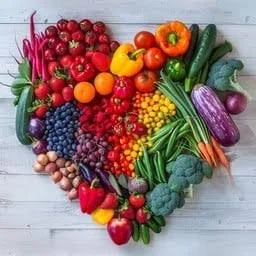
You might have heard about “Eat five colours a day” or the “7-colour diet” or “Eat a rainbow”, which is based on specific phytonutrients that produce a variety of colours and are found in fruits, vegetables, beans, grains, and other plants. Each of these have benefits for our health. The article below examines the background of these benefits.
What are secondary plant compounds?
Plants have different priorities compared to us humans and so while certain molecules are vital for some plants, they only play a secondary role for humans. However, they should by no means be omitted. In nature, so-called secondary plant compounds fulfil primary and vital functions. They serve as defence mechanisms against pests and microbial attacks, act as protection against UV light, regulate growth, or attract pollinators as pigments and fragrances. They are only considered secondary from a human perspective because, unlike carbohydrates, proteins, and fats, they have no nutritional value and are not essential for our diet. However, they influence many metabolic processes.
Secondary metabolites can reduce oxidative stress, positively influence inflammatory processes, support the heart and blood vessels, promote a healthy gut flora, and strengthen the immune system. A plant-rich diet is therefore associated with a lower risk of various chronic diseases. The health benefits likely stem from the interplay of many nutrients in fruits, vegetables, legumes, whole-grain products, and nuts, rather than from individual substances alone. This is good news, because it allows us to revel in the full variety and enjoyment of these foods while also doing something good for ourselves.
Diverse Chemistry
In food plants alone, 5,000 to 10,000 different substances are known as secondary plant compounds. The most important groups are:
· Polyphenols (e.g., flavonoids, anthocyanins): red, blue, violet, and yellow pigments and free radical scavengers in apples, onions, berries, grapes, etc.
· Carotenoids: antioxidant yellow, orange, and red pigments, e.g., in carrots and tomatoes
· Glucosinolates: responsible for the pungency of cabbage, radishes, mustard, and watercress
· Sulfites: sulfur-containing compounds in garlic, onions, and leeks
· Phytosterols: found in nuts, plant seeds, and legumes
· Alkaloids: an ambivalent group (some are toxic) in tomatoes, potatoes, chili peppers, coffee, etc.
· Monoterpenes: give fruits and herbs their fragrance, e.g., B. Menthol in mint
Colourful is healthy
Numerous positive effects are attributed to secondary plant compounds. Studies link a high intake of these organic substances with a reduced risk of cardiovascular diseases and certain types of cancer (e.g., lung, colon). This effect is based on the antioxidant, anti-inflammatory, and antibacterial properties of these substance groups. For example, a positive influence on lipid metabolism has been demonstrated for anthocyanins from berries. The best scientifically documented positive effect of glucosinolates (from carbohydrates) and their breakdown products is the activation of the body's own defence systems. Furthermore, there is promising evidence for anti-inflammatory effects and the prevention of certain types of cancer.
Together we are strong
The effects of phytochemicals are best experienced when they occur naturally. It is believed that the complex interplay with other ingredients such as vitamins, minerals, and fiber is responsible for their health benefits. Potentized substances in dietary supplements cannot replace this complex interplay and, at high doses, can even pose risks. Therefore, enjoying as many primary foods as possible in their natural form is safer than investing a lot of money in pills. Instead of aronia capsules, simply add a handful of aronia berries to your muesli, preferably dried. These berries are a great alternative to aronia capsules.
How to absorb
How well the body absorbs plant compounds can be influenced by preparation:
· Heating: Some substances are destroyed by heat, such as anthocyanins in berries or glucosinolates in carrots. Heating improves the availability and absorption of carotenoids (e.g., lycopene in tomatoes, beta-carotene in carrots).
· Chopping: This breaks down cell walls and thereby activates enzymes. Allicin in garlic, for example, is only produced after chopping or pressing. Therefore, let it sit for a few minutes before using it.
· Added fat: Fat-soluble substances such as capsaicin from chili peppers, curcumin from turmeric, or carotenoids are absorbed much better when eaten with very little fat.
Caution!
A few secondary plant compounds in food plants should be treated with caution: Alkaloids such as solanine and chaconine can cause abdominal pain, nausea, and vomiting, depending on the amount. Therefore, green parts and "eyes" of potatoes should be generously cut away. Bitter almonds, lima beans, stone fruit kernels, and flaxseeds contain a precursor to hydrocyanic acid.
Soaking and/or heating releases the toxic hydrocyanic acid. Therefore, do not use the cooking or soaking water and limit your intake (about 1-2 tablespoons of flaxseed per day).
Raw beans contain the toxic lectin phasin. Therefore, boil beans vigorously for at least 10 minutes and discard the cooking water. Even if the lectins are destroyed, the water still contains gas-producing substances.
Tips for Daily Nutrition
There are no specific intake recommendations for individual nutrients, so a varied, plant-based diet is recommended:
· 5 a day: Eat three portions of vegetables and two portions of fruit daily.
· Eat a rainbow: Utilize the entire colour spectrum ("Eat a Rainbow") to cover different nutrient groups. ▸Eat the peel: Many valuable nutrients are found in the outer layers. Therefore, only wash fruit, don't peel it, and choose whole-grain products.
· Freshness matters: Storage reduces the content of sensitive phenolic acids and flavonoids.
(Translated from kraut & rueben magazine 09/2026)