
Ripe or not?
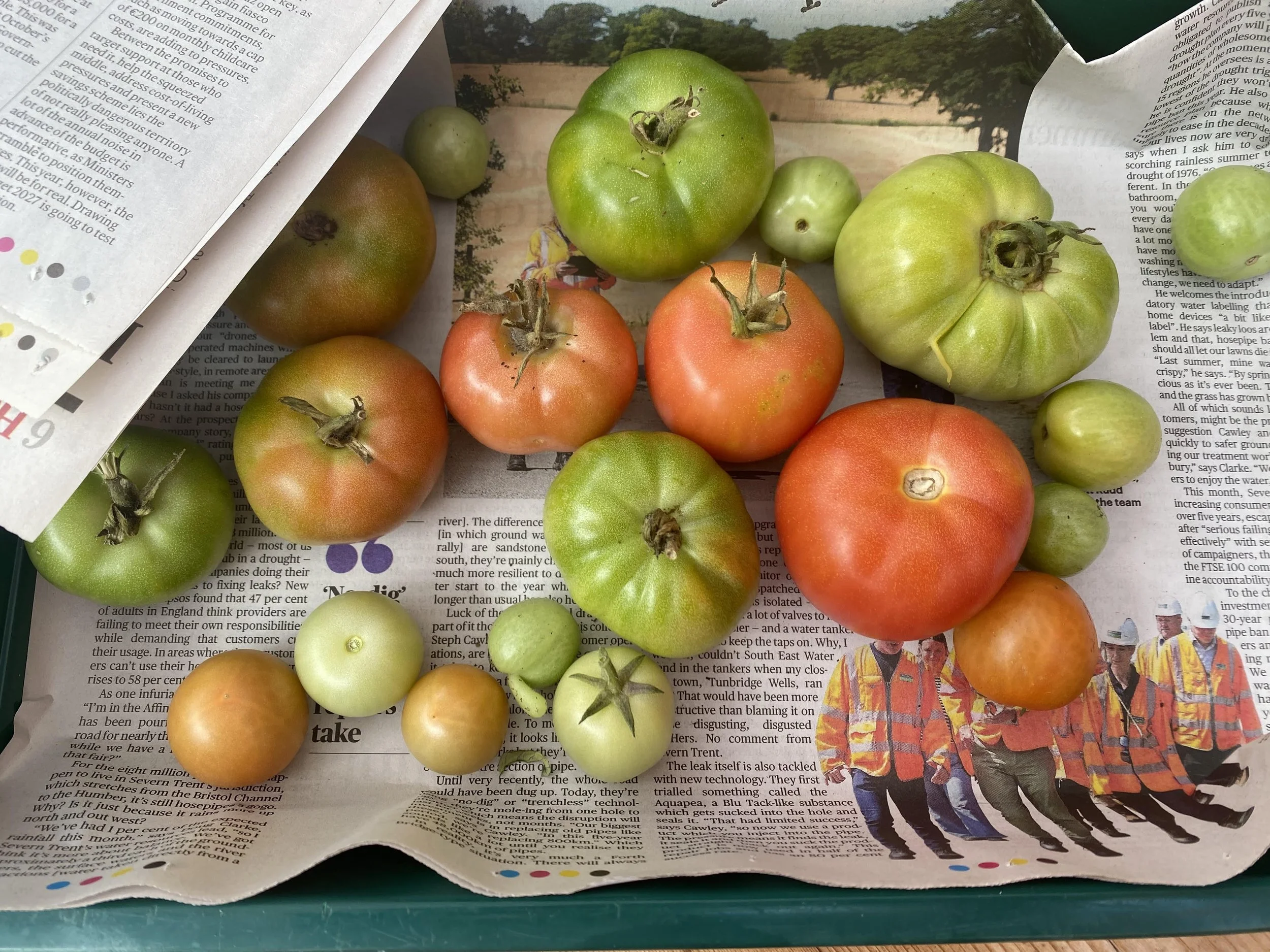
Tomatoes ripen off the stalk in a warm, dark places.
It's harvest time in the fruit and vegetable garden. Here's an explanation of when each type is ripe, what can actually be left to ripen further and what ripeness even means.
A few weeks ago a polytunnel friend brought us some peaches and nectarines, “the peaches might need another few days” he said and he was right. After a few days on the kitchen counter they were perfect, sweet and juicy.
Peaches are climacteric, which means they continue to ripen and become sweeter and juicier after they are picked from the tree.
Stages of Maturity
- Climacteric: A ripening spurt characterized by a sharp increase in the rate of respiration (oxygen consumption and CO2 release) and ethylene production. -
When a fruit or vegetable is ripe and when it's harvested are often two very different things. Ripening is a controlled developmental program of the plant. Traditionally it makes fruits attractive to animals so they can spread the seeds. A fruit is only ripe when the seeds it contains are sufficiently developed to grow into a plant.
However, with many vegetables, we don't eat the fruit itself, but rather another plant organ. Few gardeners, for example, will ever see a ripe potato. Usually, the tubers are harvested long before the potato can form its fruit (above ground) and ripen. We eat roots, like those of carrots, radishes, or parsnips; storage organs, like those of potatoes; hypocotyl tubers, like those of radishes; stems and stalks, like those of fennel or celery; flower buds, like those of broccoli and cauliflower; or leaves, like those of spinach, cabbage, and lettuce.
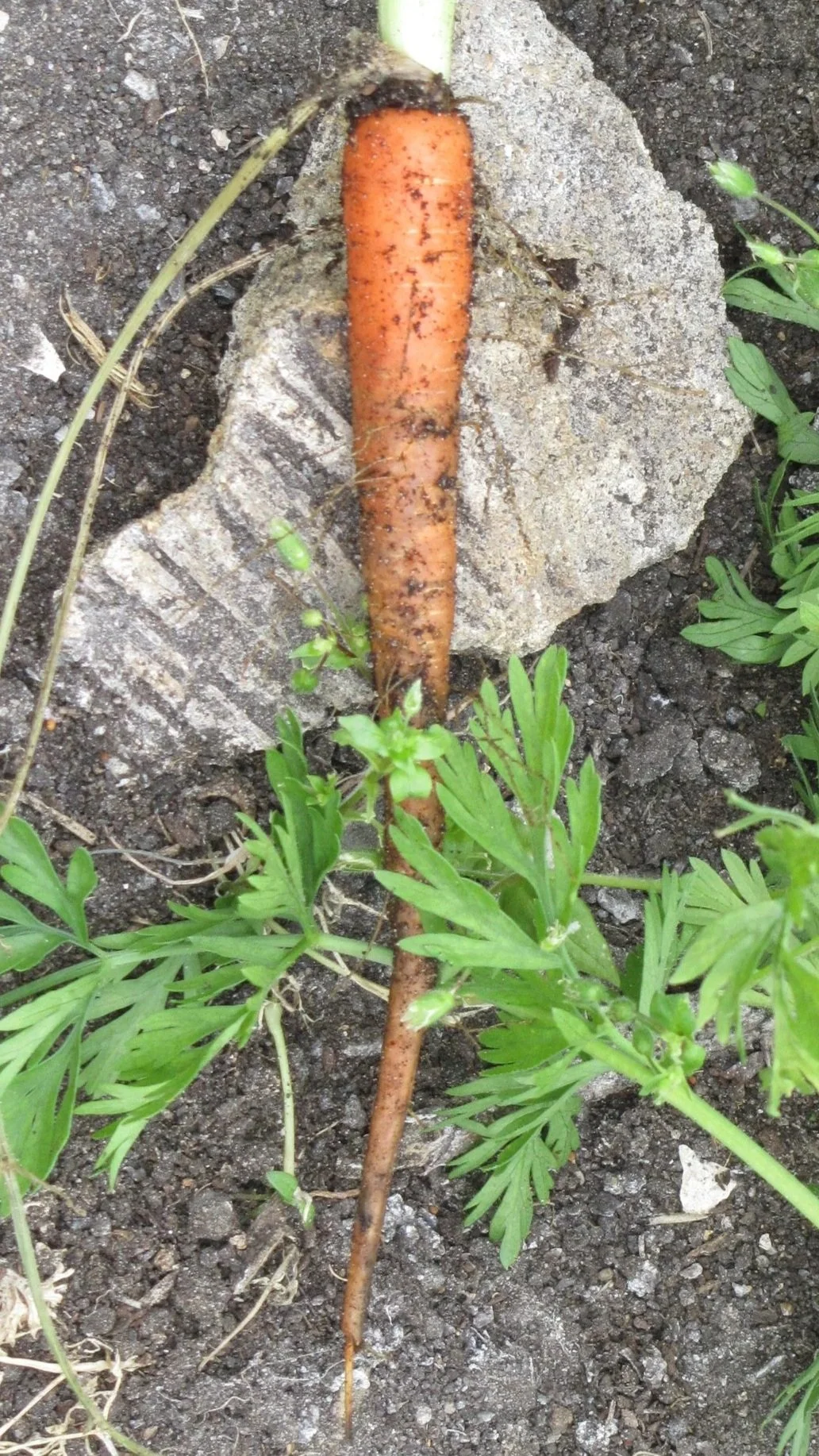
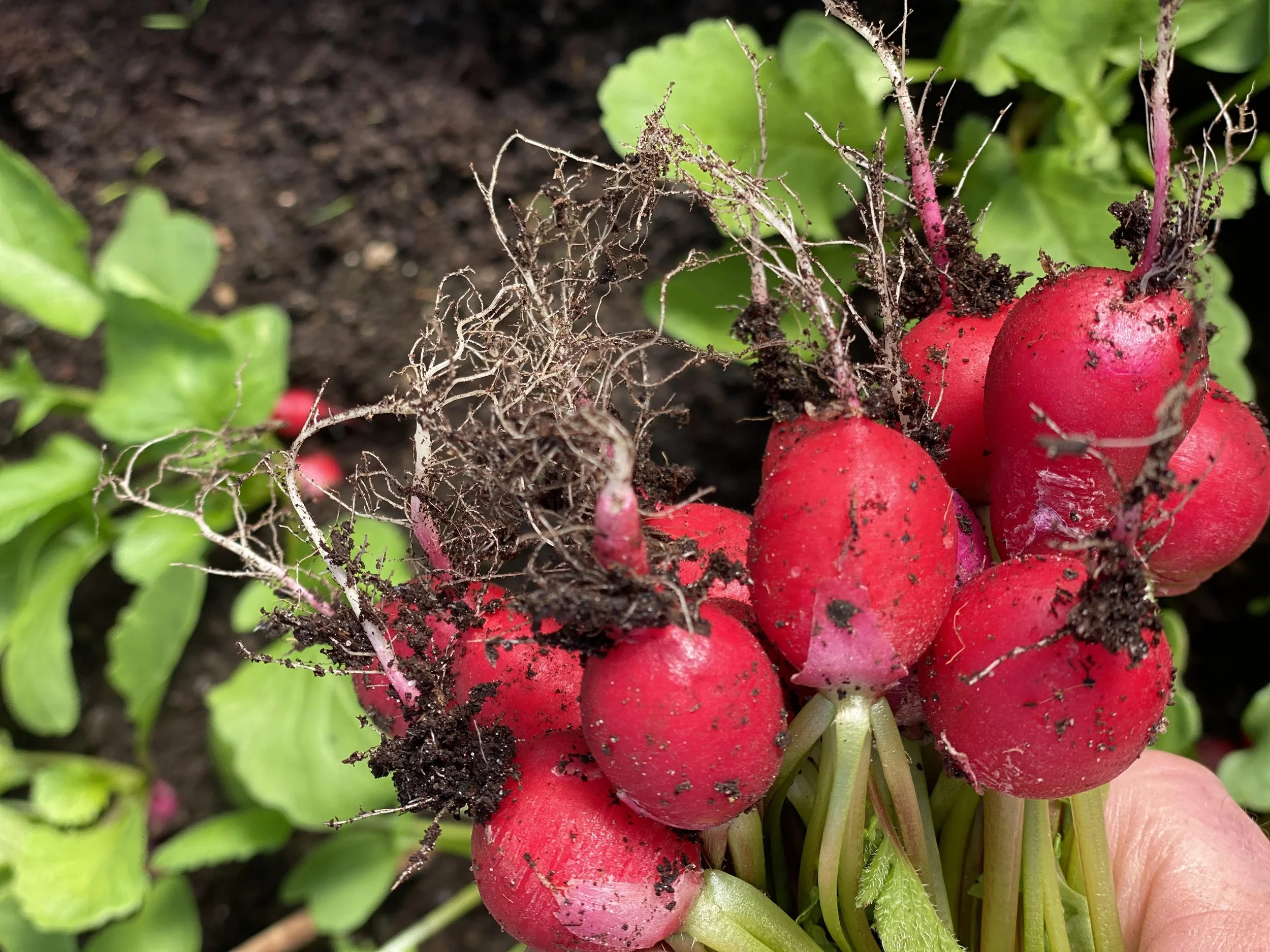
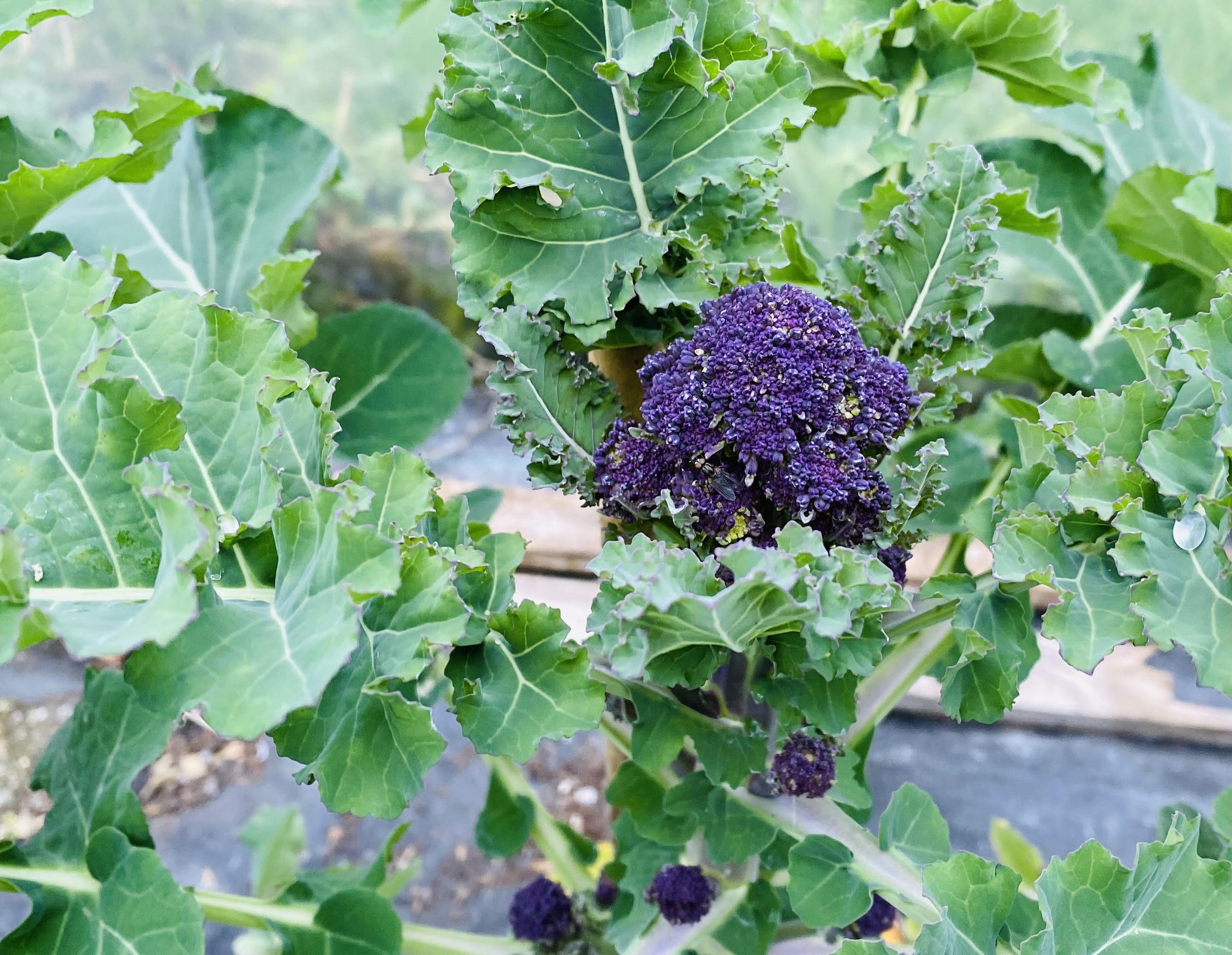
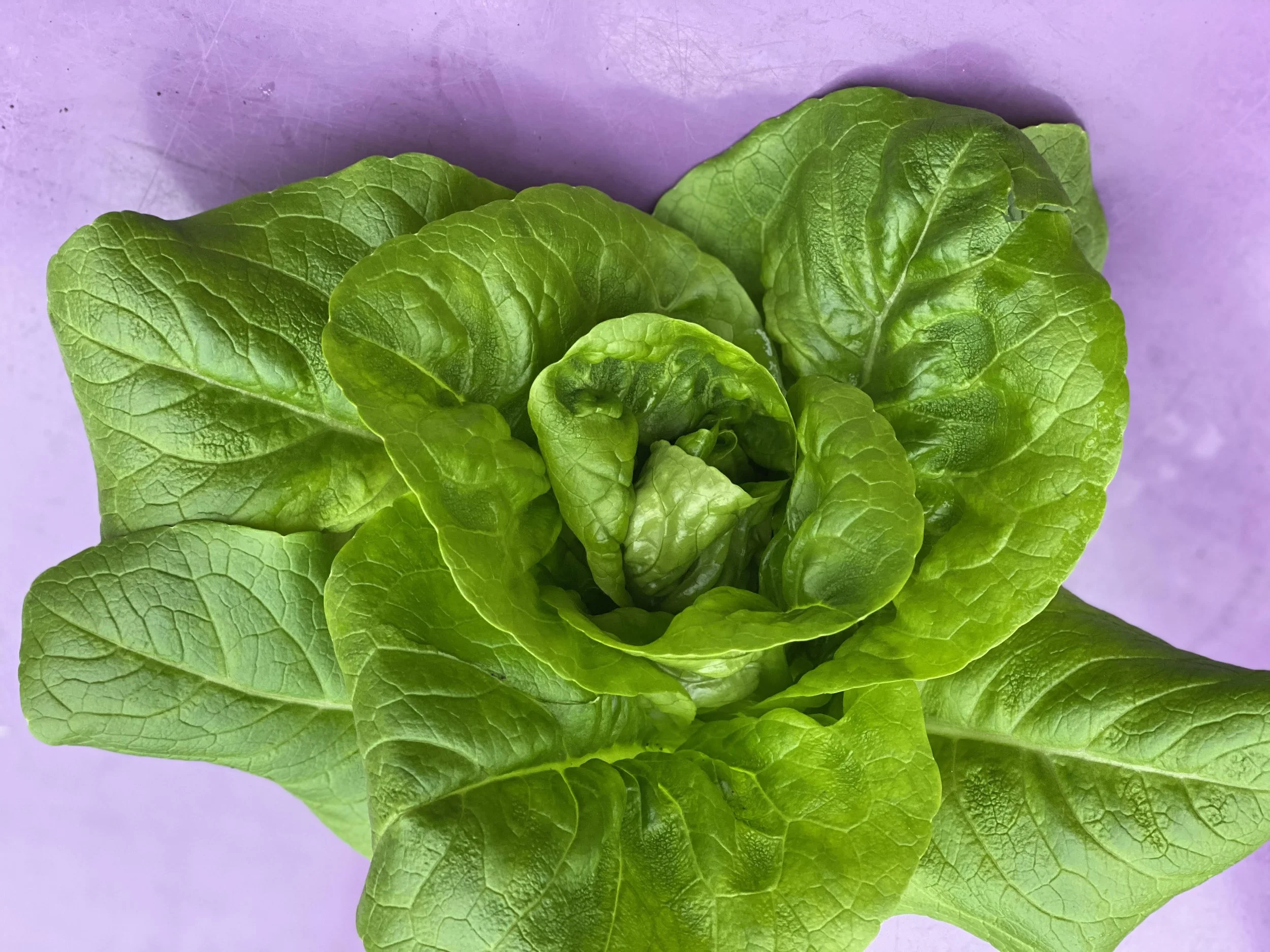
These plant parts do not physiologically ripen. They are not offered by the plant for consumption but serve other purposes. They simply grow larger, eventually becoming tough, or develop further, for example, into flowers. With fruits and fruiting vegetables, it's different. Because the fruit is meant to be eaten.
- Physiological maturity: The stage of development of a plant at which growth and development are complete and the seeds are fully mature.
- Technical maturity (also called picking maturity): The stage of development at which the harvested produce has reached the properties required for harvesting, storage, transport, and marketing. This does not necessarily correspond to the stage of eating ripeness.
We often pick vegetables as "ripe" long before they are actually ripe. If the legumes were ripe, their seeds would be hard, and the pods dry and yellowed. Cucumbers, courgettes, and aubergines rely on the ripe fruit falling to the ground, after which the flesh decomposes. Animals are meant to eat the seeds directly or for them to germinate on the spot. Therefore, the fully ripe fruit doesn't taste good, so we harvest way before as we want to enjoy these vegetables when they are tender, firm and crisp.
The Role of Ethylene
Ethylene is often portrayed as "the" ripening hormone. But it is not solely responsible for fruit ripening; rather, it is part of a cascade of reactions and an interplay of various plant hormones.
Ethylene plays a more significant role in climacteric fruits than in others: The climacteric refers to a phase of fruit development in which cellular respiration and ethylene production increase significantly, reaching a peak. The gaseous hormone then "switches on" genes for ripening. This is a self-regulating reaction and can continue even after picking. This distinguishes climacteric fruits from non-climacteric fruits.
Non-climacteric Fruits
In non-climacteric fruits and fruiting vegetables such as strawberries, grapes, or bell peppers, abscisic acid (ABA) is the dominant ripening hormone, while ethylene has a secondary effect. Non-climacteric fruits produce very little ethylene and do not exhibit a peak in cellular respiration. Ripening does not continue after harvesting.
Non-climacteric fruits that are meant to be enjoyed fully ripe, such as raspberries or cherries, must therefore ripen on the plant and will only deteriorate, not improve, after harvesting. A firm, light red strawberry will not become juicy, sweet, and dark red, even next to an ethylene-producing banana.
All vegetables that can be cultivated in the garden are non-climacteric, with the exception of tomatoes.
Climacteric Fruits
As climacteric fruits, tomatoes have a built-in ripening mechanism and can ripen off the parent plant, and even when harvested at least as "mature green" (fully grown but still green).
Of the fruit varieties found in our gardens, apples, pears, and to a lesser extent plums (as well as apricots and peaches) are climacteric, meaning they continue to ripen after picking. Many apple and pear varieties therefore have two ripening points: one for picking and one for eating.
Smaller fruits (raspberries, strawberries, blueberries, cherries, etc.), on the other hand, are non-climacteric and are mostly eaten fully ripe of the plant.
Special Cases
Pumpkins must be harvested fully ripe, but become even more flavourful after a short storage period. This is not due to continued ripening, but rather to a combination of wound healing, skin strengthening, and carbohydrate conversion.
The case of figs is discussed in the literature. What we eat is not a single fruit, but an entire inflorescence: a fleshy, hollow flower head whose blossoms are arranged inwards within a cavity. The many small granules inside are not just seeds, but the actual fruits.