
Lavender and its many uses
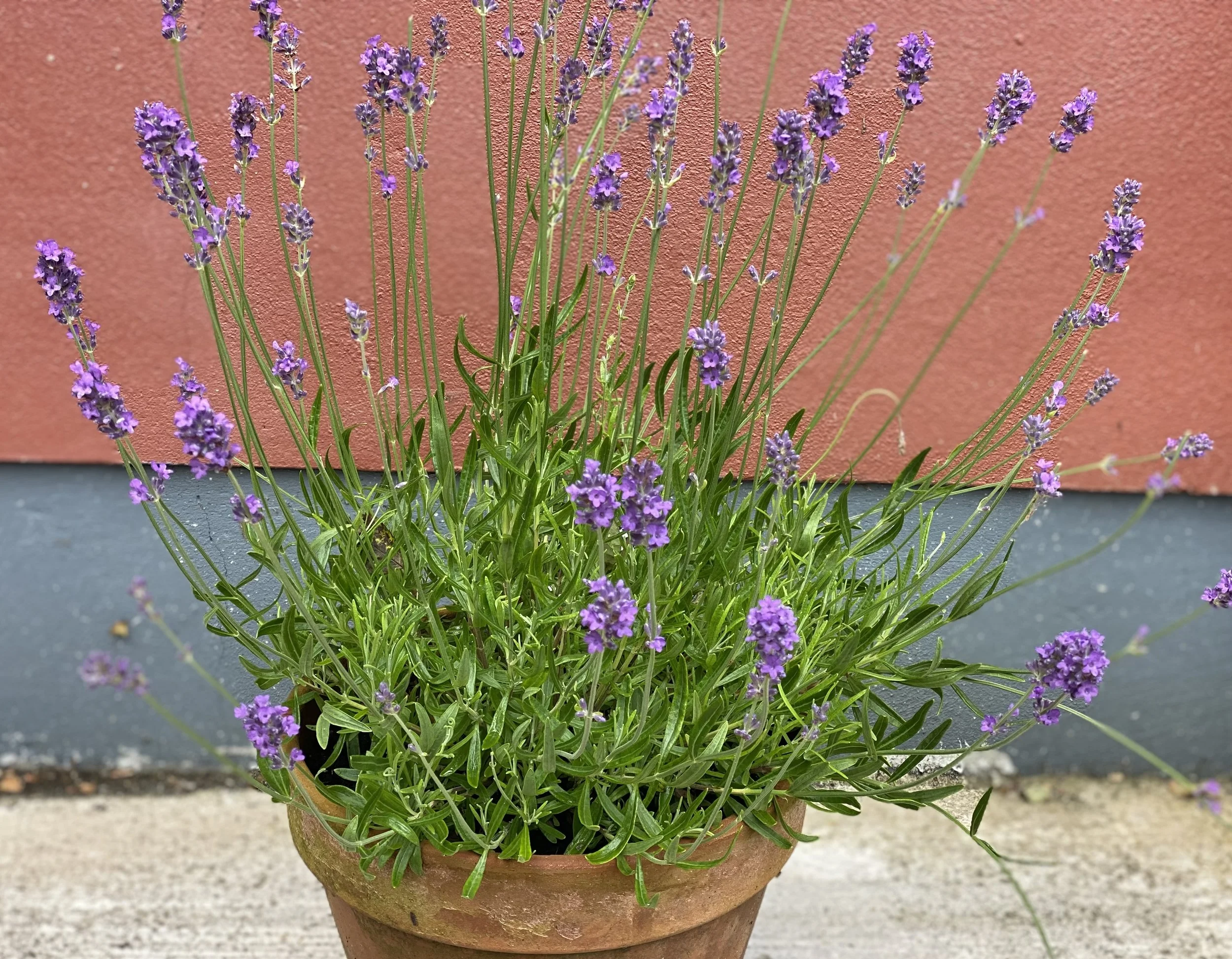
Lavandula is a genus of 47 known species of perennial flowering plants in the sage family, Lavandula angustifolia or L. officinalis and French lavender (Lavandula stoechas) one of many.
Lavender grows well in Ireland provided that is grown on really free-draining soil that is alkaline and requires a sunny position. It can be propagated from seed, cuttings or layering. The rosemary beetle is the most damaging pest of lavender. Trim to shape every spring (not into old wood, after flowering and early autumn again). Harvest the flowers just when they open and dry or use fresh.
Lavender was used by the Romans in their bath water long before the world used it in deodorants and bath salts. Lavender has insect repelling properties and was used on stiff joints. You can use it as an essential oil added to a base or carrier oil or as a spray (see recipes attached). Also as a herbal tea for its calming properties often combined with chamomile and valerian, or in our delicious Rose Petal, Lavender and mint liqueur. Lavender sachets make a good present and can be used as moth repellents.
Homemade lavender spray
To make a homemade lavender spray, mix 2-4 tablespoons of a dispersant like witch hazel or high-proof vodka with 15-30 drops of lavender essential oil in a clean spray bottle, then add distilled water to fill the bottle, and shake well before use. This spray can be used to freshen linens, repel
bugs, or provide a calming aroma by misting it into the air.
Ingredients:
Spray bottle (preferably glass)
2-4 tablespoons of vodka or witch hazel (acts as a dispersant for the oil)
15-30 drops of lavender essential oil
Distilled water (or other filtered/boiled and cooled water)
Instructions:
Add dispersant: Pour the vodka or witch hazel into your clean spray bottle.
Add essential oil: Add the drops of lavender essential oil to the bottle.
Add water: Fill the rest of the bottle almost to the top with distilled water, leaving a little room for the oils and for shaking.
Shake and use: Screw on the cap and shake the bottle thoroughly to disperse the oil. You may need to shake it again before each use, as the oil and water may separate over time.
Tips for Use:
Freshen linens: Mist lightly onto sheets, pillows, or other fabrics before bedtime for a calming scent.
Air freshener: Spray into the air to create a fresh and relaxing atmosphere in any room.
Repel bugs: The spray can also be used as a natural insect repellent.
Use distilled/filtered water: Using distilled/filtered water helps prolong the shelf life of your homemade spray.
Use dark bottles: For better preservation, use dark amber or blue glass bottles to protect the essential oils from light.
Lavender essential oil
To rub lavender essential oil onto your chest for congestion or relaxation, always dilute it with a carrier oil, such as coconut oil, olive oil, or shea butter, before applying it to the skin. Gently massage a small amount of the diluted oil or a ready-made chest rub into your chest and neck area to relieve respiratory congestion or promote relaxation and sleep. Be mindful of safety precautions, such as performing a patch test on a small skin area to check for irritation and avoiding strong doses.
How to Use Lavender Oil on Your Chest
1. Choose a Carrier Oil: Select a suitable carrier oil like coconut oil, shea butter, or olive oil.
2. Dilute the Essential Oil: Mix a few drops of lavender essential oil with the carrier oil. For instance, you could add 10-15 drops of lavender oil to a base of 3 tablespoons of coconut oil and 2 tablespoons of shea butter to create a chest rub.
3. Warm and Apply: Warm a small amount of the mixture between your hands and gently massage it into your chest and neck area.
4. Cover if Desired: Some users cover the area with a warm towel for added comfort and to help the ingredients penetrate the skin.
Benefits
Respiratory Support: Lavender oil, especially when used in a chest rub with other oils like eucalyptus, can help soothe sinus inflammation and support airways, easing congestion.
Relaxation and Sleep: The calming properties of lavender can reduce irritability and promote relaxation, helping to facilitate a good night's sleep.
Soothing Rub: Lavender oil can be incorporated into homemade balms that offer skin-soothing effects and can help with muscle tightness.
Safety Precautions
Always Dilute: Pure essential oils can be irritating to the skin, so always dilute them with a carrier oil before topical application.
Perform a Patch Test: Before applying it widely, test a small amount on a small patch of skin to see how your skin responds.
Consult a Doctor for Severe Symptoms:If you have severe congestion, a cough that doesn't go away, or other concerning symptoms, speak with a healthcare professional.