
Quinoa - a seed for change
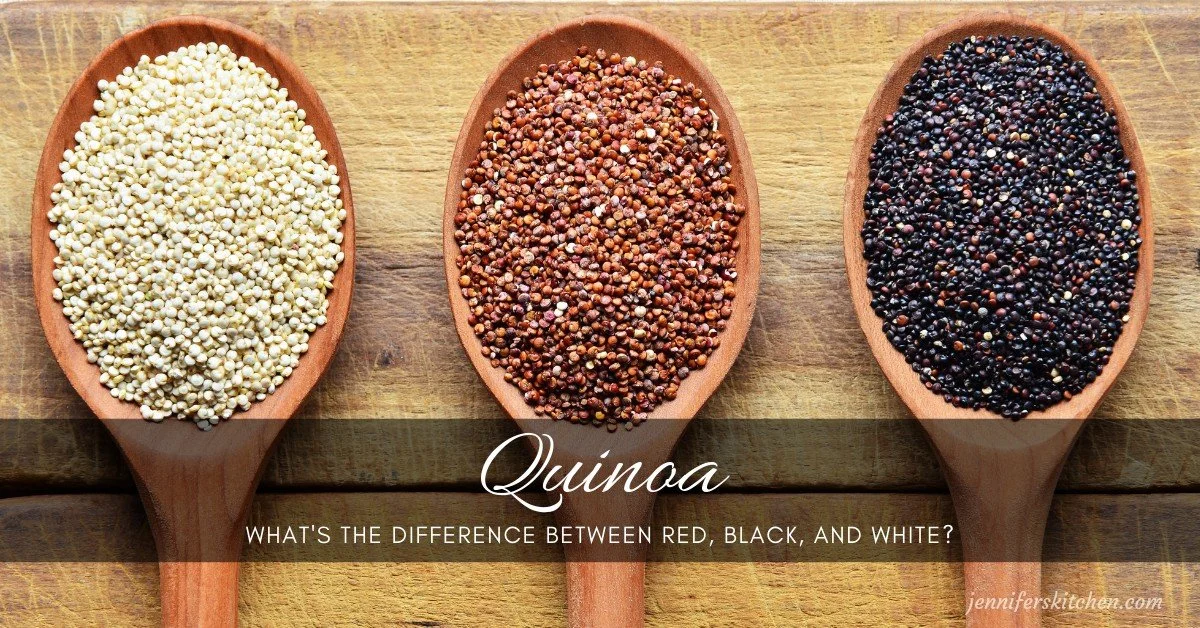
Quinoa (pronounced keen-wa) is a grain native to South America, particularly Peru and Bolivia. It is estimated that quinoa was produced for human consumption approximately 3000 years ago, though it has gained popularity, particularly since 2013, the International Year of Quinoa, as declared by the United Nations General Assembly.
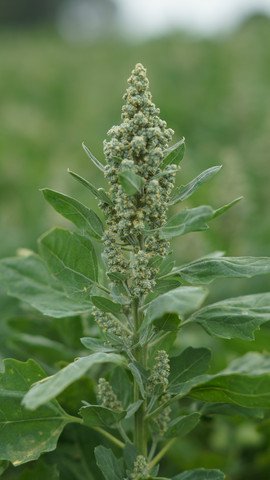
Quinoa, part of the Amaranthaceae family, is a pseudo-cereal (true cereals are grasses, whereas pseudo-cereals are not, but are used in a similar way to true cereals) which grows 1-2 metres high. It is a hardy crop, able to grow at high altitudes, sandy soil, varying temperatures and is fairly wind resistant and tolerates light frosts at any stage of their development, except when flowering. That means you can sow the seed directly outdoors in mid spring and then harvest the crop in August.
In Ireland Quinoa is only grown on a small scale by companies like Trian (formerly Glanbia), Brown envelope seeds and Irish Seed Savers. They use European varieties like Atlas and Jessie or Chilean varieties like Temuco or Red Faro. All of which are adapted to cooler, damper climates.
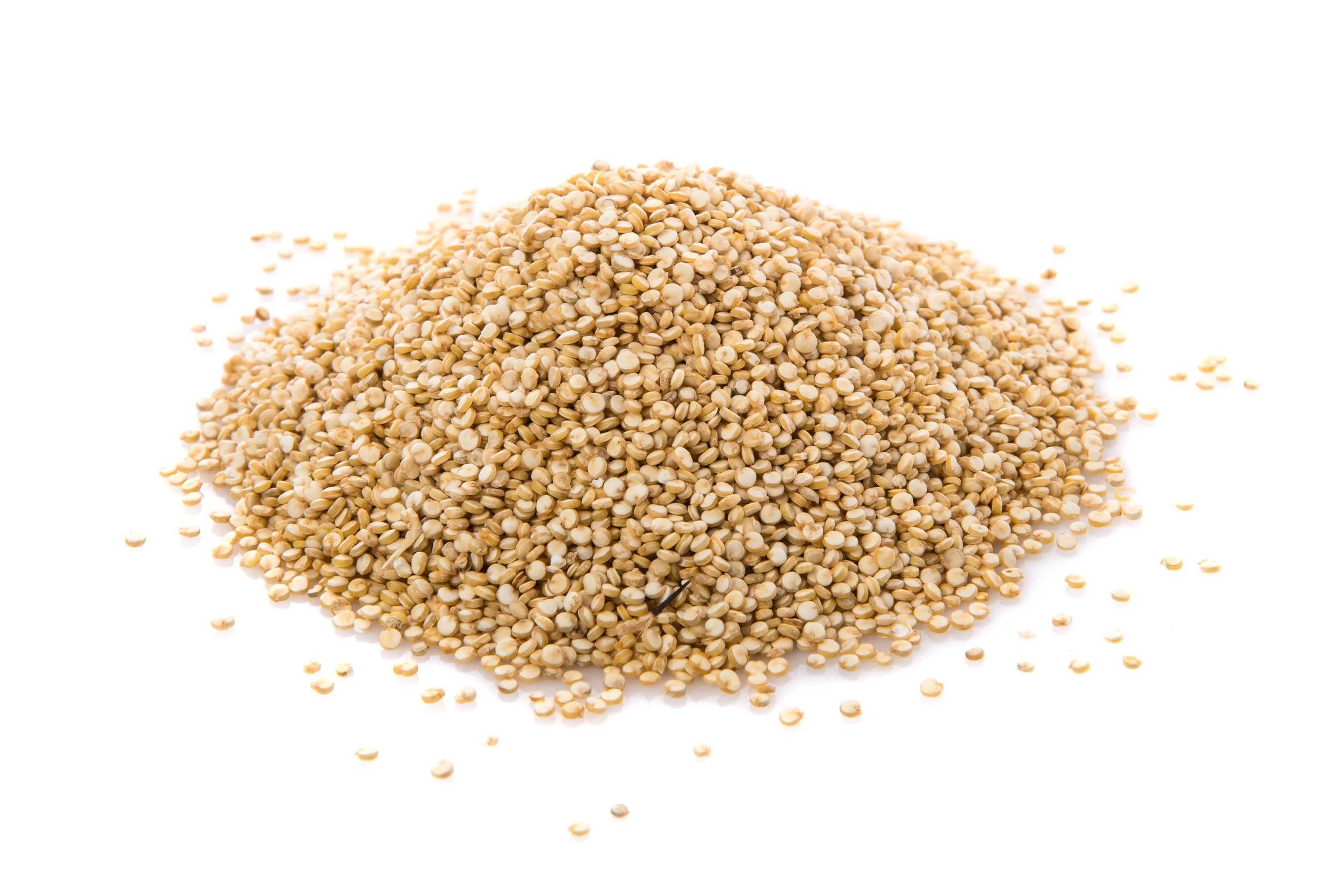
There are hundreds of varieties of quinoa, white, red and black quinoa are the most common varieties available. White quinoa is the most popular. It is the fluffiest and lightest type of quinoa once cooked, and has a delicate flavour. It can be used as a substitute for rice, whereas other varieties work well in salads and dishes.
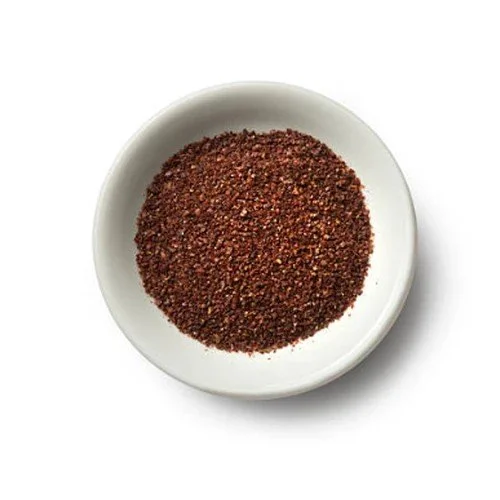
Red quinoa is slightly chewier than white quinoa, meaning it holds its shape better after cooking. It has a richer flavour than white quinoa, and takes a few minutes longer to cook. Red quinoa is more nutrient-dense since it is strongly pigmented, which is due to anthocyanins, the same antioxidants found in berries and red wine. It includes more flavonoids like quercetin and kaempferol, which have anti-inflammatory qualities and act as antioxidants in the body.
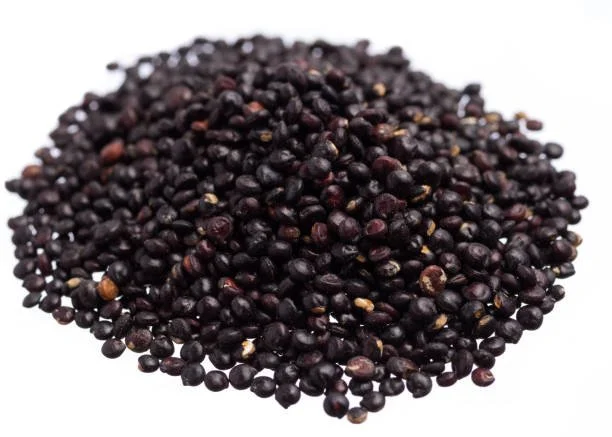
Black quinoa is coarser than red quinoa, with an earthier flavour has an earthier flavour than red quinoa, and again takes slightly longer to cook.
The seed of quinoa is often seen as a superfood. Considered to be gluten-free, quinoa is a suitable substitute for wheat products for a coeliac diet. It is much higher in protein than other pseudo-cereals, containing all the essential amino acids. It is a good source of the B vitamins and is high in magnesium. Its nutritional value can be boosted through germination. Sprouting quinoa only takes approximately 1-3 days. Consuming more flavonoid-rich foods like quinoa may help overall health and protect against certain diseases.
Higher in fibre than many grains
Another important benefit of quinoa is its high fibre content, more than several other popular grains, like brown rice A 1-cup (185-gram) serving of cooked quinoa contains 5.18 grams of fibre. That’s about 18% of the current 28-gram DV.
Adding fibre-rich foods like quinoa into your diet supports your digestive health by promoting regular bowel movements and fuelling beneficial bacteria in your gut.
Eating a high fibre diet can help you maintain a moderate body weight. Fiber helps promote feelings of fullness. Pairing high fibre foods like quinoa with high protein foods can help you feel satisfied after meals and may help you eat a healthful portion size.
Benefits of being gluten-free
Some people with gluten intolerance, including those with coeliac disease and non-coeliac gluten sensitivity, need to avoid foods containing gluten.
Quinoa is naturally gluten-free and makes a nutritious alternative for people who want or need to cut gluten from their diet. However, be sure to check the package label to ensure the product is free from cross-contamination.
Provides protein
Compared to other grains, quinoa is a good source of protein , providing 8 grms per cooked cup (185 grams). It can help contribute to your daily protein intake.
Quinoa is often referred to as a complete protein. This is because it contains all nine essential amino acids that your body can’t make on its own. Combining quinoa with beans, tofu, and mixed vegetables quickly makes a plant-based, protein-rich meal.
Contains essential vitamins and minerals
Quinoa contains magnesium, potassium, iron, fibre, and folate. Folate is a vitamin that’s especially important during pregnancy due to its role in fetal growth and development. Eating quinoa as part of a nutritious diet may help you reach these recommended levels.
It’s important to note that quinoa contains some antinutrients, including saponins, tannins and phytic acid. These can bind with certain nutrients like iron and magnesium, reducing their absorption. However, rinsing, soaking, or sprouting the quinoa before cooking can reduce the antinutrient content and make these minerals more bioavailable.
May benefit cardiometabolic health
Some studies suggest that eating quinoa could benefit certain aspects of your metabolic and cardiovascular health. Additional research suggests eating quinoa and quinoa-based products may benefit blood sugar regulation, body weight and triglyceride levels
While these results suggest quinoa positively affects cardiometabolic health, your overall diet and lifestyle matter most when it comes to decreasing your risk of disease.
Following a dietary pattern rich in nutritious foods like quinoa, vegetables, fruits, fish, and beans is a smart way to protect your health and reduce disease risk factors, such as high blood lipid and high blood sugar levels.
Easy to incorporate into your diet
Quinoa is easy to incorporate into your diet, which can make adding it to an eating plan more sustainable in the long term. Quinoa is also tasty and goes well with many foods. Depending on the type of quinoa, you may need to rinse it with water before you cook it to get rid of saponins. These are found naturally on the outer layer and can taste bitter. However, some brands sell quinoa pre-rinsed, making this step unnecessary.
You can buy quinoa in most health food stores and many supermarkets.
How to cook quinoa
Quinoa can be ready to eat in as little as 15–20 minutes. To cook it:
Rinse 1 cup quinoa thoroughly using a fine mesh strainer.
Put 2 cups water in a pot and turn the heat to high.
Add rinsed quinoa with a dash of salt.
Boil on very low heat for 15–20 minutes.
Take off the heat and let it sit for another 5-10 minutes.
6. It should now have absorbed most of the water and gotten a fluffy look. If done right, it should have a mild, nutty flavour and a satisfying crunch.
Then gently rake through it with a fork to separate the grains
Enjoy.
You can use quinoa in both sweet and savoury recipes.
Conclusion:
Quinoa is technically a seed and is considered part of a small group of grains called pseudocereals, along with amaranth and buckwheat.
It’s a smart carbohydrate choice because it contains fibre, minerals, antioxidants, and protein. It’s also gluten-free, delicious, versatile, and easy to prepare.