
For the Love of Lovage (Levisticum officinale)
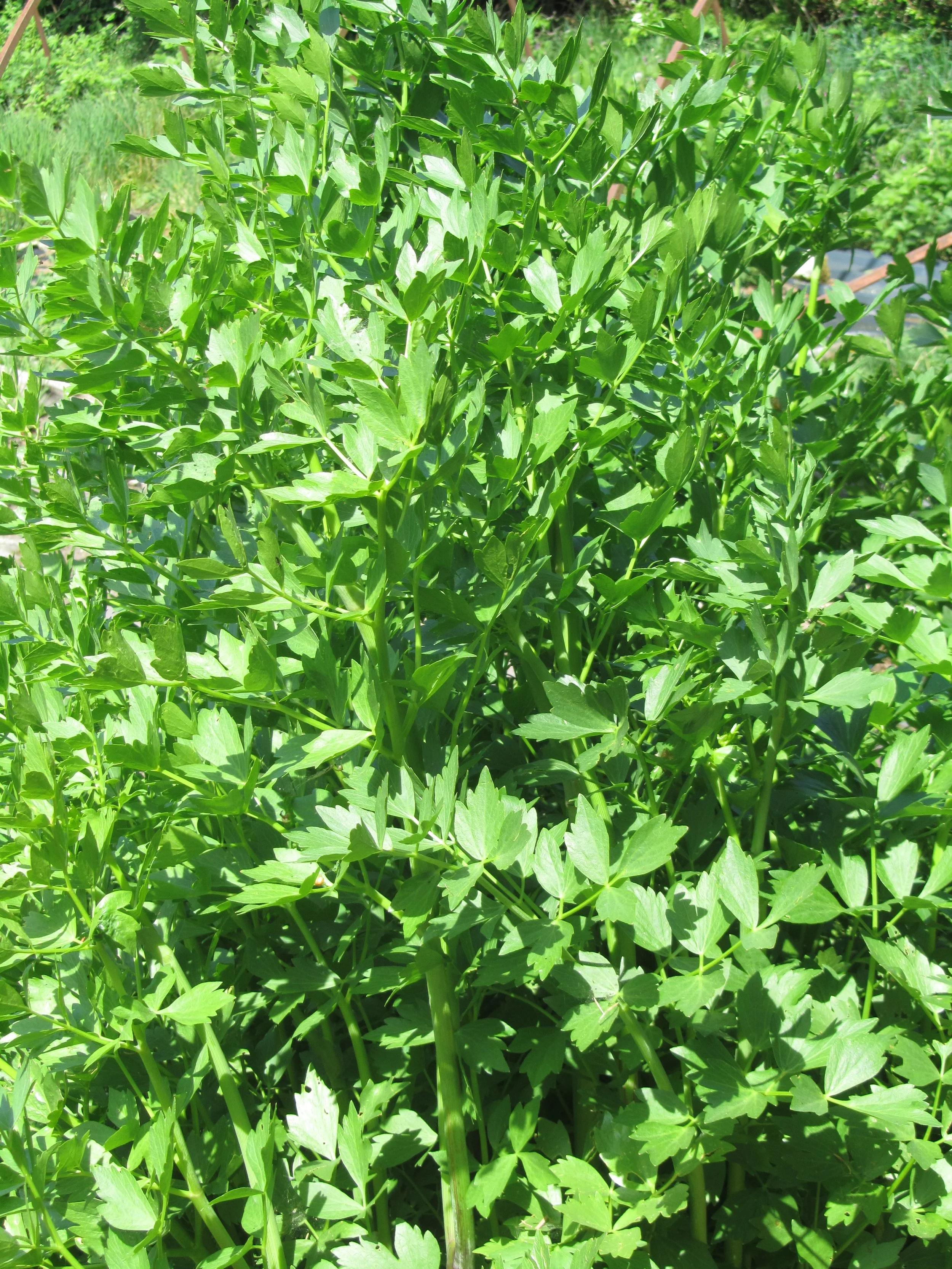
Other names: Maggikraut (german), celery cabbage, nut stick
Lovage is a vigorous plant and can reach sizes of up to 2 m. It is THE herb to seasons soups and stews and should not be missing in any garden. Anyone who has ever smelled lovage understands where its second name "Maggikraut" comes from. It smells almost exactly like the ready-made soup seasoning Maggi.
The right location for lovage
The herb can confidently be described as beginner-friendly.
Lovage is a very assertive plant. It claims a relatively large number of nutrients for itself and has little regard for bed neighbours. It is best to sow or plant it separately from other herbs or vegetables. The location should be sunny to partially shaded, but must not heat up too much. You can also cultivate lovage in a big container. If you want to keep it for several years, it is advisable to use a bucket-sized pot from the beginning. Lovage forms strong rhizomes underground that grow quickly. A planter that is too small could simply burst open the root system
Lovage sowing and planting
Lovage can be grown from seed and sown indoors as early as February. Use seed compost and cover the seeds only lightly with it. From April and May at the latest, it is also possible to sow directly in the open ground. We recommend to buy a plant, as it establishes quicker. Lovage is best left alone. Keep a distance of 0.5 to 1 m from other vegetable plants, as it can inhibit the growth of other plants.
Growing
Once lovage is established, you have it for life. The plant dies down in Winter and sprouts again in Spring. It can be divided like chives. Mulch with good compost in Autumn to encourage good growth in the next year.
Harvesting and preserving
Harvesting the lovage couldn't be less complicated: simply pinch off what you need. Fresh, you can chop it into small pieces and refine soups and sauces with it. This gives a strong, homemade broth a great spice. You can also add it to pesto. The best time to harvest is just before flowering in July on a dry morning.
The leaves and roots can be dried and later processed into tea or herbal salt.
The seeds of the lovage are edible and can be used in the spice kitchen. In late summer, when the seed heads are already brown and dry, pinch them off and dry them – like the leaves – in the oven or hanging upside down. The seeds are delicious on bread or with rice.
Another variant for preserving is freezing. This preserves the ingredients and taste a little better than with dried leaves. The fresh leaves can be frozen whole or chopped in a screw-top jar or freezer bag and served with warming soup in winter.
Medicinal use
Lovage is a remedy for digestive difficulties, gastritis and flatulence. It can aid rheumatism, gut and cystitis. It has antibiotic properties and can be used as a gargle for tonsilitis or as a mouth wash for mouth ulcers.
Use either as a decoction, a herbal tea or a tincture. A decoction is a method of herbal extraction where tough plant materials—such as roots, barks, berries, and seeds—are boiled in water to release their active components. Unlike infusing (steeping), decocting involves simmering for 10–20+ minutes.