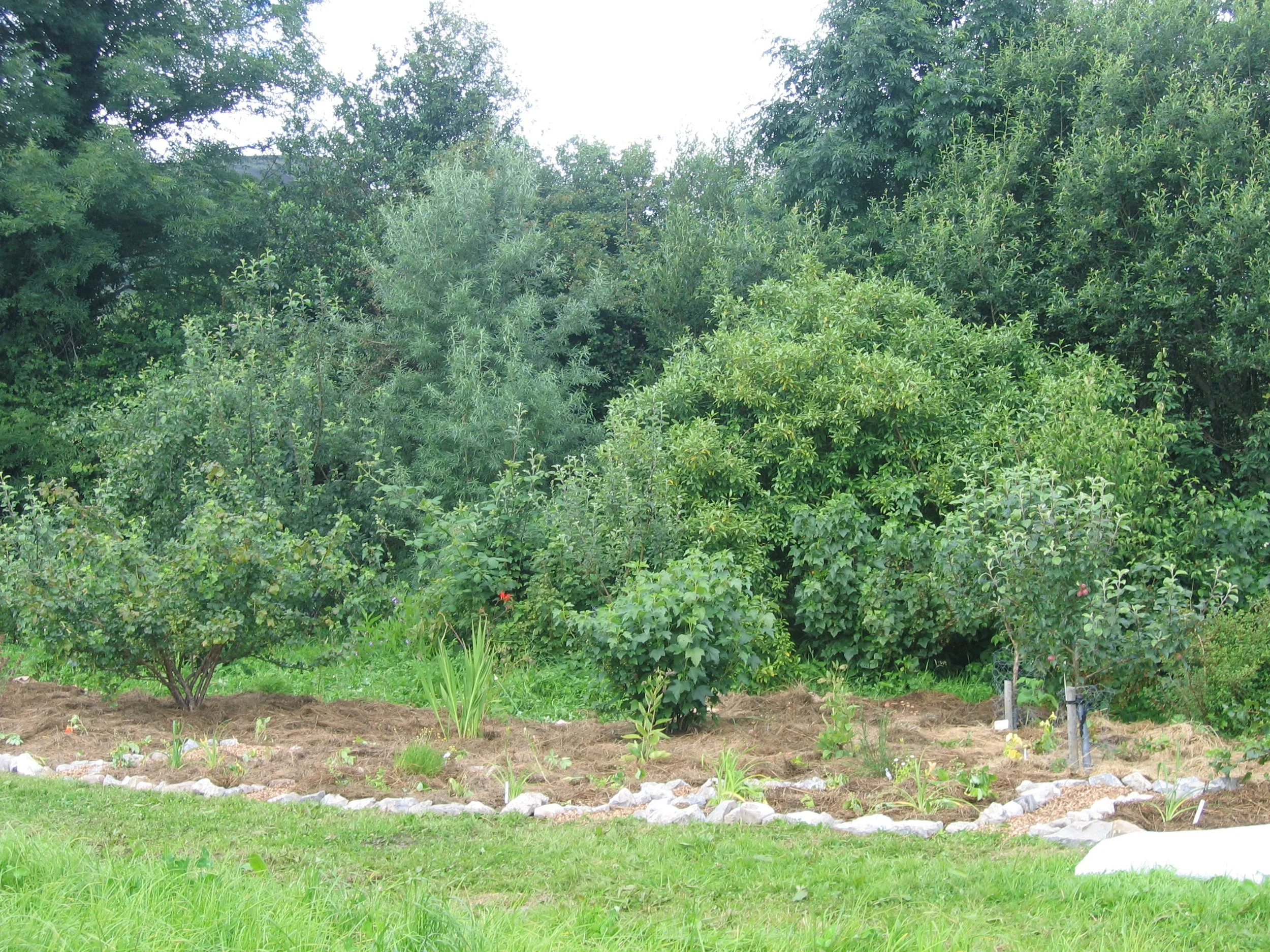
Natural Gardens – gardening with nature in mind
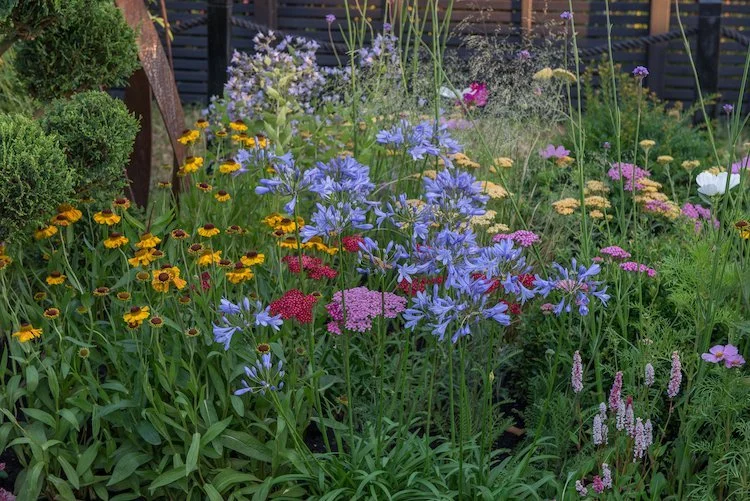
Besides adapting to weather extremes by improving soil health, mulching and using more resilient varieties one of the key garden trends in 2026 was more natural gardens, designed to give back to nature, with pollinator corridors, wildflower patches, log piles, bug hotels, and letting lawns grow a bit longer to support local biodiversity.
Gardens are spaces designed by humans, and that's perfectly fine. Garden design should always primarily enhance the quality of life for its users. It's not about replicating nature, but rather about opening the door to it—paths, seating areas, and safety features. The ecological quality of a garden doesn't arise from the complete withdrawal of humans, but from the clever use of small-scale habitats: a meadow, a hedgerow, bare soil, water, stones, and deadwood side by side in a small space.
Natural is not wild
A feature in a German garden magazine stated: “The adjective "wild" always carries an ambivalence. "Wild" is something between criticism and compliment. Applied to gardens, it can mean many things: an abandoned garden, a naturalistic design, or a consistently ecologically managed natural garden.” Often wild, natural and biodiverse are all used in the same way, but they mean very different things.
A lush bed of double-flowered or invasive ornamental plants can appear wild and yet offer little food or breeding ground, while a clearly and neatly bordered bed of native wild perennials can be highly effective ecologically.
A natural garden is a deliberately planned, used, and selectively maintained garden, where biodiversity is promoted through plant selection, structures, and maintenance adapted to the cycles of nature.
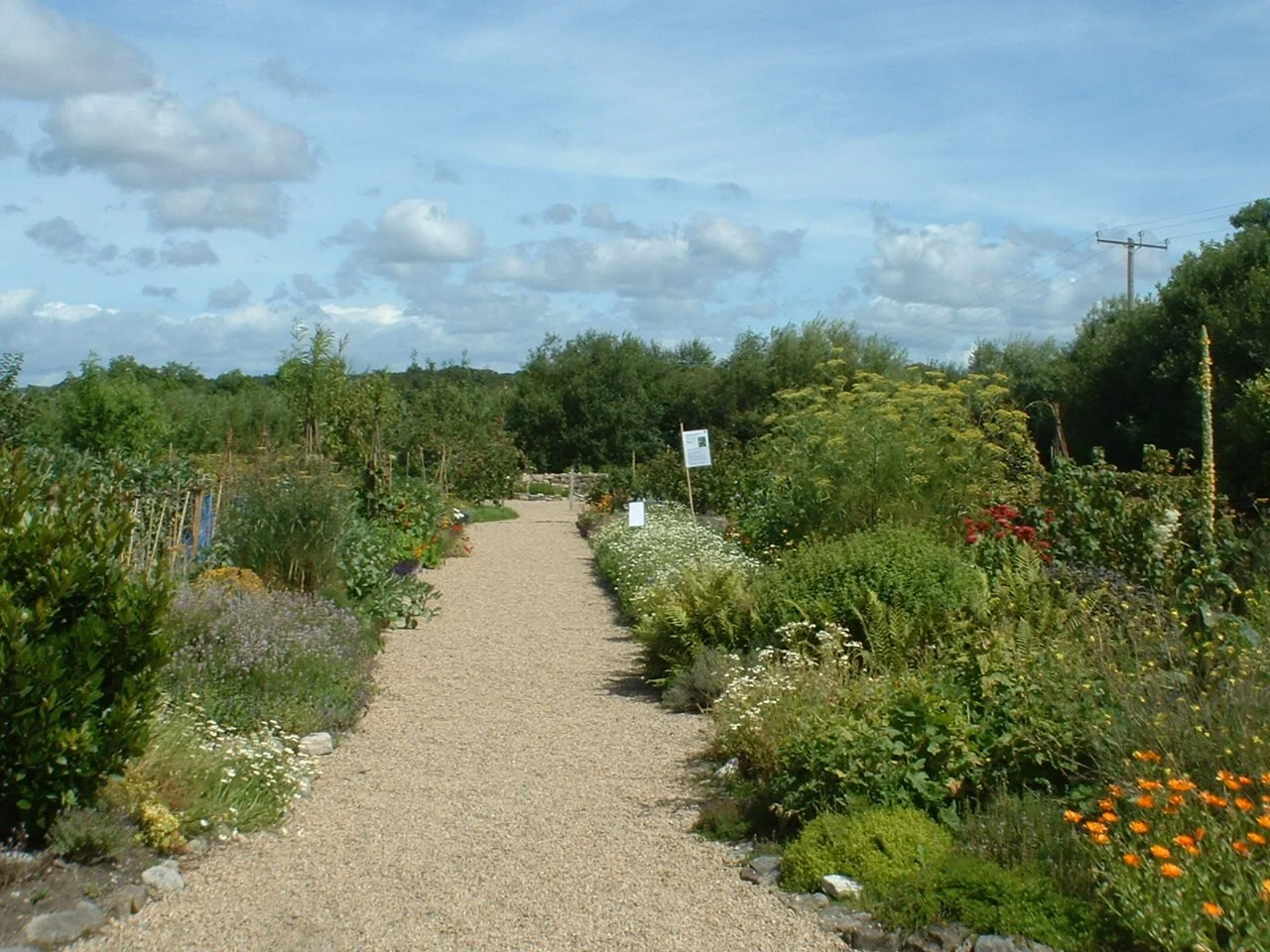
The gardener creates these structures, keeps competitive or invasive species in check, and decides where natural dynamics are allowed to occur.
A natural garden
A natural garden combines three elements:
1. Diverse, preferably native and site-appropriate planting
2. Structures for food, reproduction, and overwintering
3. Maintenance that protects soil, water, and other living organisms
Chemical pesticides, synthetic fertilizers and peat have no place in a natural garden. The idea that every square meter must be left to its own devices is also incorrect.
Niamh Ni Fhaolain wrote a great blog on 8th January 2026 on the reforestnation website: How to start a rewilding project at home, where she listed three changes that matter the most:
1. Stop over-tidying, try leaving one area untouched until Spring. Watch what happens.
2. Let something grow wild. Choose a corner, a strip along a fence, a single large pot, let it grow without correction, let plants arrive unplanned.
3. Slow down intervention. No weed killers for example, no weeding in a particular area.
Room for improvement
According to a recent statistic available online, in Ireland lawns still make up 50% and more of a typical domestic garden. Here is where significant changes can happen simply from one season to another, from not mowing regularly to planting native shrubs and trees (wild roses, hawthorn, hazel, elder to name just a few), creating a pond, planting fruit bushes and apple trees to establishing new gardens.